

Apprenticeship and Training
Three routes to a qualified workforce: apprenticeships, NVQs and short workshops. Which one fits depends on whether you’re developing someone into a role, recognising skills they already have, or filling a specific gap quickly.
All three are delivered around your production, by tutors who work in print, packaging and manufacturing.
Apprenticeships

An apprenticeship combines paid work with structured training, leading to a nationally recognised qualification. The apprentice stays in the job throughout — there’s no day release and no college attendance. Training happens in the workplace, with a dedicated coordinator supporting both the apprentice and you.
We deliver twelve standards from Level 2 through to Level 7. That means a genuine progression route: someone can start as a Print Operative at Level 2, move to Print Technician at Level 3, into Process Leader at Level 4, and on to Operations Manager and Senior Leader — without ever leaving the shop floor.
Use it for new recruits
Bring someone in with no experience and build the skills you need from the ground up. We can help you advertise the vacancy and shortlist candidates.
Or for existing staff
Apprenticeships aren’t just for school leavers. Any age, any length of service — if the role is developing, the funding applies.
Funding. If you pay the apprenticeship levy, training comes from your levy account. If you don’t, it’s fully funded or co-funded depending on the apprentice’s age.
NVQs and vocational qualifications
An NVQ works the other way round. Instead of following a programme, the candidate builds a portfolio of evidence from work they’re already doing, and an assessor confirms they meet the national standard.
That makes it the right route for experienced staff — the press operator who’s run the same machine for fifteen years, the estimator who knows the job inside out, the supervisor who was promoted on merit. The competence is there. What’s missing is the certificate.
There’s no minimum duration, no off-the-job training requirement and no end-point assessment, so it fits around production rather than interrupting it.
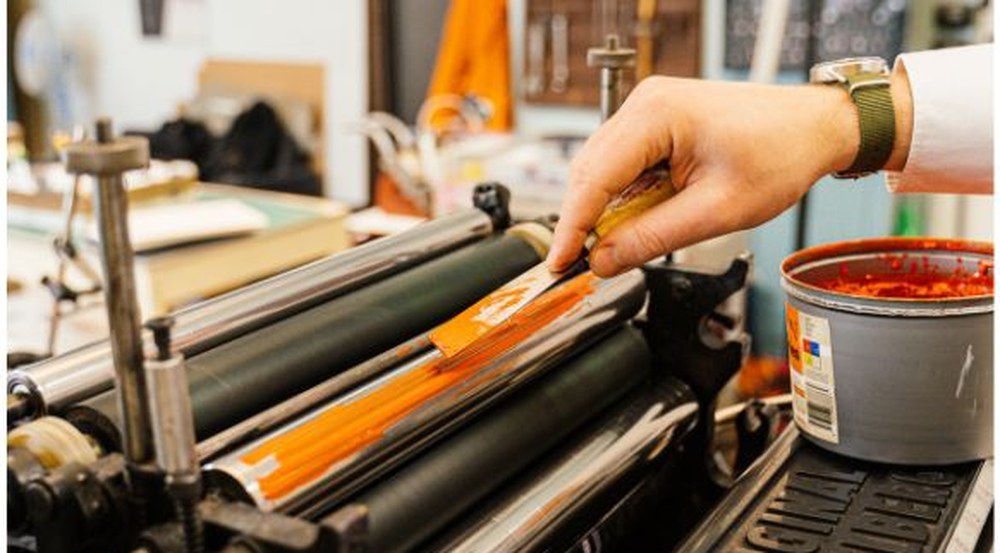
We deliver six qualifications, covering machine printing and finishing, design and pre-press, carton manufacture, print administration and planning, business administration, and leadership and management at three levels.
Funding. NVQs are employer-funded. We’ll confirm costs and timescales for your team.
Training Workshops

One-day online workshops for skills you need now, without committing to a longer programme. Each runs 10am to 3pm and is delivered live by our own tutors — not a recording.
Current subjects: Intro to Print, Intro to Lean, Intro to Team Leader, Intro to Customer Service, Negotiation and Persuasion, and Training for Trainers.
Several mirror the opening stage of our apprenticeship standards, so they work as standalone training or as a low-commitment way to test whether a full apprenticeship suits someone before you enrol them.
Book individual places from the calendar, or ask us to run a session for your business.
Which Route?
Which route fits?
| Apprenticeship | NVQ | Workshop | |
|---|---|---|---|
| Best for | Developing someone into a role | Recognising existing competence | Filling a specific gap |
| Length | 12 to 36 months | No fixed duration | One day |
| Time off the job | Required | None | One day |
| Funding | Levy or government-funded | Employer-funded | Per place |
Plenty of employers use more than one. An NVQ for the experienced hands, an apprenticeship for the new starter, a workshop for the supervisor who’s just been promoted.
Apprenticeship FAQs
Apprenticeship questions we get asked
Does my apprentice have to go to college?
No. All our delivery is work-based. Apprentices learn in the job, supported by a tutor who visits and by online workshops and resources. There’s no day release.
How much time will they spend away from production?
Apprentices need protected time for off-the-job learning, planned into the working week rather than taken in blocks. We build the schedule with you at the start so it fits around your production, and you can see planned hours in each standard’s info sheet.
Can I put existing staff on an apprenticeship?
Yes, and many employers do. There’s no age limit and no restriction on length of service. The requirement is that the apprenticeship develops genuinely new skills for the role.
What about maths and English?
It depends on the apprentice’s age. For younger apprentices, achieving functional skills in maths and English is a mandatory part of the apprenticeship. For older apprentices the requirement is more flexible, and we’ll agree the right approach with you at the start.
Either way, if your apprentice doesn’t already hold these qualifications we support them from wherever they’re starting, with access to online learning seven days a week.
How will I know how they’re getting on?
Progress is recorded in an online portfolio you can access at any time. You’ll also take part in regular formal reviews with the apprentice and their tutor, so nothing comes as a surprise.
What is end-point assessment?
A formal assessment at the end of the programme, carried out independently, confirming the apprentice has met the standard. Before it happens, you, the apprentice and the tutor review readiness together and agree they’re prepared.
How do we get started?
Get in touch and we’ll talk through your team, the right standard, and the funding that applies. If you’re recruiting rather than upskilling, we can help advertise the vacancy and shortlist candidates.
Why employers choose us
of employers say our training is up to date, relevant and meets industry standards
of employers would recommend us to another employer
of apprentices would recommend us to a friend
rated Good by Ofsted, with over a century of industry heritage behind us
Talk to us about your team
Tell us what you’re trying to achieve and we’ll map out the route — including where a mix of apprenticeships, NVQs and workshops makes most sense.